

Cupping Therapy Gallery
$$MultiPurposeText$$
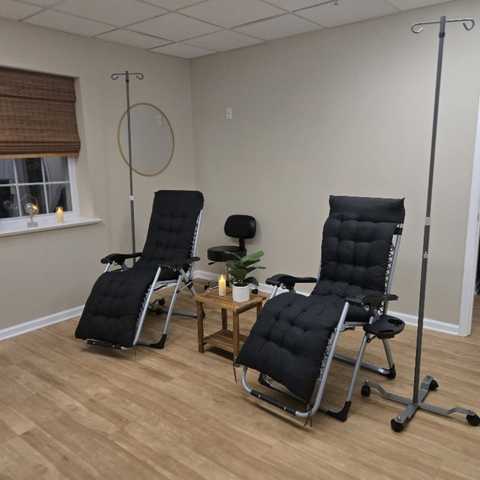
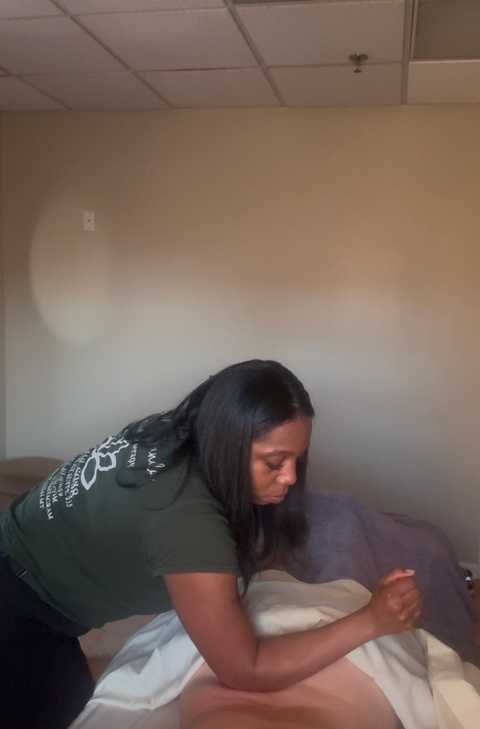
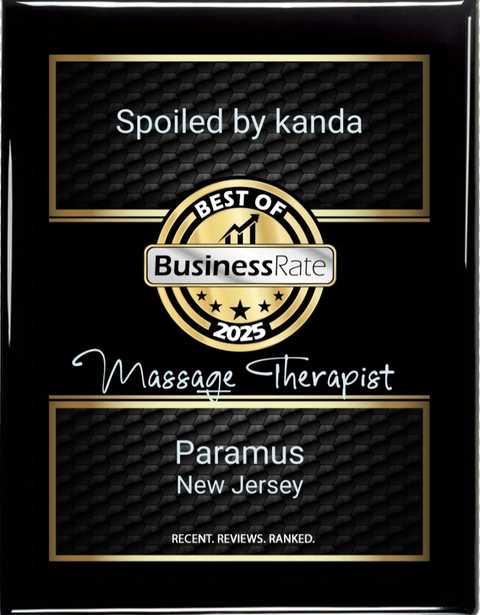
See examples of our Cupping Therapy work and results.



What Our Clients Say
$$MultiPurposeText$$
Read testimonials from our satisfied customers

Kanda was miraculous! Not just with her hands, but also with her mind. Very soothing and ...more

My first prenatal massage and it was amazing! I highly recommend booking a session. Kanda ...more

I’ve gotten two massages by kanda and both were both relaxing and therapeutic. I was holdi...more

This was my first time here and having a LMD. Kanda is amazing. Her hands are a ministry. ...more

If you’re looking for a stress reliever I highly recommend Larry from Spoiled by Kanda.
La...more

Needing a place to relax after exploring NYC then look no further, This place was inviting...more

Frequently Asked Questions
Get answers to common questions about Cupping Therapy.
Your therapist will assess your needs, explain the cups and technique, then place sanitized cups on targeted areas. You may feel gentle suction, warmth, and deep relaxation. Sessions usually last 30–60 minutes with aftercare advice for best results.
Cupping is generally safe when performed by a trained therapist. Common side effects include temporary redness, circular marks, or mild soreness. Serious complications are rare but discuss bleeding disorders, pregnancy, or skin sensitivities before booking to ensure safety.
Response varies; many clients notice relief after one session, while chronic issues may require a series spaced weekly or biweekly. Your therapist will create a personalized plan based on condition severity, goals, and response to treatment.
Cupping often leaves round, bruise-like marks that typically fade within several days to two weeks. Marks indicate increased circulation, not injury. Your therapist will adjust suction intensity to minimize marking if desired, and discuss expectations beforehand.
People with blood disorders, active skin infections, open wounds, or who are pregnant should consult their doctor first. Also discuss anticoagulant use, recent surgery, or fragile skin to determine if cupping is appropriate and safe for you.
Yes, cupping frequently complements massage, acupuncture, and manual lymphatic drainage. Combining treatments can enhance circulation and recovery; your therapist will coordinate timing and techniques to maximize benefits while ensuring client comfort and safety.